Customer Retention & LTV Analytics for a Shopify Beauty Brand

A fast-growing Shopify beauty brand had a loyal customer base but no clarity on who their best customers were, why they returned, or which marketing channels were actually driving repeat buyers. We built a full customer intelligence layer that turned scattered data into targeted retention and growth decisions.

πŸ”„

Repeat purchase rate
+ 0 %

πŸ“ˆ

Marketing ROI
+ 0 %

πŸ›’

Average order value
+ 0 %

πŸ‘₯

Higher LTV from top segment
0 Γ—

Client Overview​

Strong Revenue. No Idea Who Was Actually Buying.

A Chicago-based Shopify DTC lifestyle brand had been on a strong growth trajectory β€” $1.2M in annual revenue, growing 40% year

A New York-based Shopify beauty brand had been growing consistently for two years β€” driven by strong Instagram presence and Klaviyo email marketing. Revenue looked healthy. But when the founders dug deeper, they realised they had no structured view of customer behaviour. They couldn’t answer basic questions: Which customers come back? Which channels bring the highest-value buyers? Which products drive retention vs one-time purchases?

-on-year. But the founder noticed something troubling: as revenue grew, the amount of money actually left in the business wasn’t growing at the same rate. More sales. More ad spend. More returns. More fulfilment costs. But less clarity about where the profit was actually going.

Their data sat across Shopify, Klaviyo, Meta Ads, and Google Analytics β€” but none of it was connected. Marketing decisions were being made by gut feel, and repeat purchase rates were declining without a clear explanation why.

Four Retention Problems Quietly Costing Growth

No customer segmentation

All customers were treated the same in marketing β€” high-value loyalists and one-time buyers received identical messaging and offers.

Unknown LTV by channel

They had no way to know whether customers from Meta Ads, organic search, or email had different lifetime values β€” so ad budget allocation was guesswork.

Declining repeat purchase rate

Repeat purchases were trending down but there was no cohort data to understand when customers were churning or what triggered them to come back.

No product-level retention data

It was unclear which products drove repeat buyers versus one-time purchases β€” making product development and bundling decisions uninformed.

A Complete Customer Intelligence Layer Across All Data

We connected all data sources and built four interconnected dashboards that gave the brand full visibility over who their customers were, how they behaved, and what drove them to buy again.

RFM Customer Segmentation

  • Recency, Frequency, Monetary scoring
  • VIP, loyal, at-risk and lost segments
  • Segment-specific revenue contribution
  • Personalised campaign triggers per segment

LTV & Retention Dashboard

  • Customer LTV by acquisition channel
  • Cohort retention curves (30/60/90 day)
  • Repeat purchase rate by product category
  • Churn risk identification

Marketing Attribution

  • Revenue by acquisition channel
  • LTV vs CAC ratio per channel
  • Email campaign performance by segment
  • Best-performing audience cohorts

Product Retention Analytics

  • Products that drive repeat buyers
  • First purchase to second purchase paths
  • Bundle opportunity identification
  • Return rate impact on LTV

From Guesswork to Targeted Growth

Within 10 weeks the brand had a clear picture of their customer base β€” and used that clarity to run targeted campaigns, reallocate ad budget, and improve retention significantly.

Repeat purchase rate

Targeted win-back campaigns for at-risk segments drove a significant improvement in repeat buying behaviour.

Marketing ROI

Reallocating Meta budget toward high-LTV acquisition channels and away from low-retention sources improved blended ROAS significantly.

Average order value

Product bundling recommendations based on first-to-second-purchase paths increased AOV across all segments.

Higher LTV from VIP segment

Identifying and nurturing the top 15% of customers β€” the VIP segment β€” generated 4Γ— the LTV of the average customer.

"We always knew some customers were more valuable than others β€” we just had no way to find them or talk to them differently. Now we know exactly who our best customers are, where they came from, and what keeps them coming back. The RFM segmentation alone changed how we run every campaign."

Shopify Beauty & Cosmetics Brand Β· New York, USA

More Case Studies

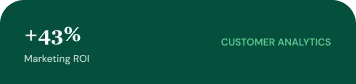
Revenue & Marketing Optimization for a Shopify D2C Fashion Brand

A growing fashion brand was spending heavily on Meta and Google Ads β€” but had no unified view of which spend was actually profitable. We connected all their data sources and gave them full clarity over true marketing ROI, customer lifetime value, and product profitability.
Customer Analytics

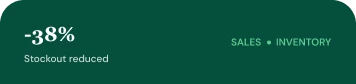
Sales & Inventory Optimization for a Shopify Multi-Channel Apparel Brand

A growing Shopify apparel brand selling across online, Amazon, and physical stores had no unified view of stock levels or sales performance. Stockouts were killing revenue while overstock was tying up $120k in cash. We gave them complete inventory and sales visibility across every channel.
Financial Analytics

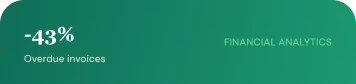
Profitability Analytics for a Scaling Shopify DTC Brand β€” From Revenue to Real Margin

A Chicago-based Shopify DTC brand was growing revenue consistently β€” but profit wasn’t keeping up. Returns, discounts, fulfilment costs, and ad spend were eating into margins in ways that weren’t visible until month end. We built full P&L visibility by channel and SKU, so every decision was backed by real profit data β€” not just revenue numbers.

Do You Know Who Your Best Customers Really Are?

Book a free strategy call. We’ll show you what customer clarity is possible for your Shopify brand.

Free consultation Β· No commitment Β· Results-focused