Multi channel retail can be more profitable than single channel retail when each sales channel is profitable on its own. Although multi channel customers spend around 13% more per order, additional channels also reduce contribution margins and increase operating costs. The most profitable retailers measure channel profitability individually rather than relying on total revenue.
WHAT YOU’LL LEARN
- Whether multi channel retail is actually more profitable
- How contribution margins differ across Shopify, Amazon, and wholesale
- The hidden costs of adding more sales channels
- When expanding to another channel increases profit
- A practical framework for deciding if your business is ready
What Is Multi Channel Retail?
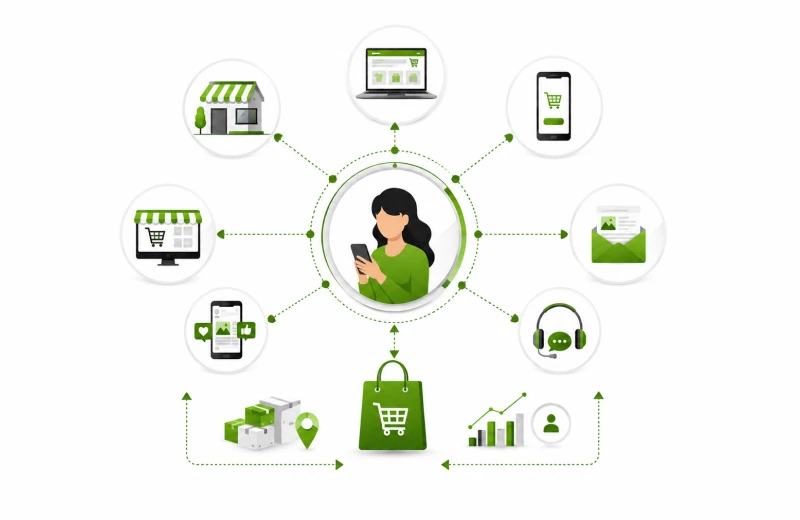
Multi channel retail means selling products through more than one sales channel, such as a Shopify store, Amazon, wholesale partners, retail stores, or marketplaces. Unlike single channel retail, businesses reach customers through multiple buying paths while managing inventory, pricing, and operations across each channel.
Multi Channel vs Single Channel at a Glance
| Multi Channel | Single Channel |
| Higher reach | Simpler operations |
| More customer touchpoints | Higher contribution margins |
| Better resilience | Easier inventory planning |
| Greater Complexity | Lower operating costs |
| Multiple revenue sources | Single source of revenue |
The comparison shows why the debate between multi channel vs single channel retail is really a discussion about profitability rather than revenue. Multi channel retail increases reach and resilience, while single channel retail often delivers stronger margins and simpler operations.
Is Multi Channel Retail More Profitable?

The latest profitability data shows that multi channel retail becomes more profitable only when every channel supports overall profitability rather than simply adding revenue.
Three findings hold up consistently across recent retail research and operator data.
The omnichannel customer is genuinely more valuable
Shoppers who engage with a brand across multiple channels show roughly a 13% AOV premium over single channel buyers, along with higher retention. Part of this is causal (more touchpoints deepen the relationship) and part is selection (your most committed customers naturally seek you out everywhere). Either way, the customers exist and they are worth more.
Channels de risk each other
A brand earning 100% of revenue from a Shopify store funded by Meta ads has a single point of failure: one algorithm change, one CPM spike, one account suspension. A second channel with independent demand, Amazon’s search volume, a wholesale account’s purchase orders, is insurance that pays out precisely when the primary channel wobbles.
Discovery compounds across channels
Customers who first encounter a brand on Amazon or in a retail store and later buy direct are among the highest LTV cohorts many brands have, the marketplace or shelf did the acquisition work, and the DTC relationship captures the margin. Brands that track this cross-channel journey often find their ‘expensive’ channel is quietly feeding their profitable one.
Why Doesn’t Multi Channel Always Increase Profit?
The profitability data tells a different story. While additional channels increase revenue, they often reduce contribution margins and increase operating costs.
| Channel (same SKU) | Typical Contribution Margin (CM3) | What Eats It |
| Shopify DTC | 20–32% | CAC / ad spend |
| Amazon FBA | 8–20% | 15% referral + FBA fees + PPC |
| Wholesale | 8–15% | 50%+ off retail price to the buyer |
| Own retail/pop-up | Varies | Rent, staff, inventory risk |
Sources: Eightx – Average Ecommerce Contribution Margin: Amazon vs Shopify by Vertical, 2026
The table shows that more sales channels do not automatically create more profit. As channels expand, contribution margins generally decrease while operating complexity increases.
What This Margin Difference Means
Although Amazon and wholesale channels often increase total revenue, they usually generate lower contribution margins than direct to consumer sales. Businesses should compare profit by channel rather than total sales when evaluating expansion.
What Hidden Costs Reduce Multi-Channel Profitability?
Most businesses estimate the additional revenue from a new sales channel but underestimate the operational costs that come with it. These hidden expenses often determine whether expansion increases profit or reduces it.
Inventory Splitting
Two channels means two demand forecasts, two safety stocks, and stock sitting in the wrong place at the wrong time. Brands routinely discover their stockout rate rises after channel expansion, not because demand outran supply, but because supply was split badly. The working capital requirement grows faster than revenue does.
Reconciliation and Reporting
Each channel reports in its own format, its own attribution logic, its own fee structure. Answering ‘what was our real profit last month?’ goes from a one-source question to a data integration project. Many multi channel brands effectively fly blind on per-channel profitability for years, managing a blended number that hides one channel subsidising another.
Channel Conflict and Price Erosion
A wholesale partner discounting your product on their site undercuts your DTC price integrity. Amazon’s algorithm punishing your listing when your own store runs a sale. Retail buyers demanding margin support. Every added channel constrains pricing freedom in the others, a cost that compounds quietly.
When Should You Expand to Multiple Sales Channels?
The data points to four conditions. Brands meeting all four consistently profit from expansion; brands missing two or more consistently regret the timing.
- Your primary channel is profitable on a contribution margin basis, expansion multiplies your unit economics, including broken ones. Fix the core first.
- You know your per channel numbers before you start, you can state the contribution margin the new channel must clear, not just the revenue it might add.
- Your operations can split inventory without starving either channel, you have SKU-level demand forecasting, not gut feel reordering.
- The new channel serves a strategic purpose beyond revenue, acquisition (Amazon’s search demand), resilience (reducing paid ads dependency), or credibility (retail presence), that you can name in one sentence.
Multi Channel Readiness Checklist
Before adding another sales channel, businesses should evaluate whether they are operationally and financially ready. The following checklist summarizes the four conditions most profitable multi channel retailers share.
- ✔ Primary sales channel is profitable
- ✔ Contribution margins are measured
- ✔ Inventory forecasting is reliable
- ✔ Channel reporting is available
- ✔ Marketing budget is sustainable
- ✔ Operations can support another channel
- ✔ Every channel has a clear purpose
The Best Time to Expand
The most successful pattern in the 2026 data is not ‘multi channel from day one’, it is profitable single channel first, then deliberate expansion. Use the marketplace for discovery volume, wholesale for baseline cash flow, and DTC for margin and relationship, with each channel assigned a job, a margin floor, and its own P&L; line. Multi channel works as a portfolio with roles, not as a revenue scavenger hunt.
Why Blended Profitability Can Be Misleading
The single most damaging habit in multi channel retail is managing blended profitability. A blended 18% margin can hide a 30% DTC business subsidising a −4% marketplace operation. Until each channel carries its own P&L; with fees, allocated inventory costs, and channel specific marketing loaded, you cannot know whether expansion helped or hurt. Many brands discover the answer years later.
Closing Thoughts
There is no universal winner in the debate between multi channel vs single channel retail. Single channel businesses often achieve higher margins with lower complexity, while multi channel retailers gain additional reach, resilience, and customer acquisition opportunities. The most profitable businesses are those that measure each sales channel independently and expand only when every new channel contributes to long term profitability.
Key Takeaways
- Multi channel customers spend approximately 13% more per order and retain better, the premium is real
- But contribution margin is structurally thinner on added channels: Amazon runs 8–15 points below Shopify DTC on identical SKUs
- Wholesale usually produces lower margins than direct to consumer sales but can improve cash flow and sales volume
- The three unmodelled costs: inventory splitting, reconciliation overhead, and channel conflict
- Expansion multiplies your existing unit economics, profitable cores compound, broken ones collapse faster
- Four readiness conditions: profitable primary channel, known per channel numbers, forecasting capability, and a nameable strategic purpose
- Assign each channel a job and a margin floor; manage a portfolio, not a blended average
- Per channel P&L; visibility is the non negotiable, blended numbers hide one channel subsidising another for years
Know What Each Sales Channel Really Contributes
Multi channel retail is only profitable when you can measure each channel separately. DataAnalyticsStack builds multi-channel retail dashboards that track revenue, contribution margins, fees, and marketing costs by channel, so you always know which channels drive profitable growth.
Contact us today to see how better reporting can help you make smarter, more profitable retail decisions.